

Mark Casto | August 4, 2026 | Truck Accident Lawyer Near Columbus, Georgia
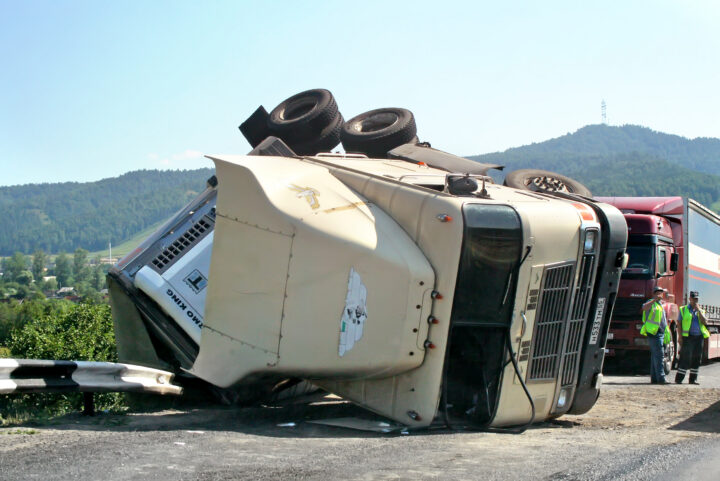
A truck driver should use an escape ramp when their vehicle can no longer be safely controlled due to brake failure or another emergency on a steep downhill grade. If a truck driver bypasses an available escape ramp after losing braking ability and causes a crash, that decision may be evidence of negligence under Georgia law.
Runaway truck accidents often cause catastrophic injuries because of the enormous size and weight of commercial vehicles. Understanding when escape ramps should be used and what safety rules truck drivers must follow can help accident victims better understand how these crashes happen and when legal liability may exist.
What Is a Runaway Truck Ramp?
A runaway truck ramp, also called an escape ramp or arrester bed, is an emergency safety feature designed to stop large commercial trucks that have lost braking power while traveling downhill. These ramps are typically located along steep mountain grades and are filled with gravel, sand, or other high-resistance materials that slow a truck until it comes to a safe stop.
Escape ramps are most common in mountainous areas where long descents place tremendous stress on a truck’s braking system. While they are less common in central and southern Georgia, several highways in North Georgia include escape ramps because of the region’s steep terrain.
When Is a Truck Driver Required to Use an Escape Ramp?
Federal regulations require commercial drivers to maintain control of their vehicles, and 49 C.F.R. § 393.40 requires commercial vehicles to have adequate brakes.
If a truck driver’s brakes fail while descending a mountain grade and an escape ramp is available, choosing not to use it may become an important factor in determining negligence. Courts often evaluate whether a reasonably careful commercial driver would have entered the escape ramp rather than continuing downhill toward traffic.
What FMCSA Rules Must Truck Drivers Follow on Steep Grades?
Federal trucking regulations require drivers and motor carriers to take multiple steps to prevent brake failures on long downhill grades.
Important Federal Motor Carrier Safety Administration (FMCSA) requirements include the following:
- Commercial trucks must have properly functioning braking systems that meet federal safety standards.
- Drivers may not operate commercial vehicles with defective or inadequate brakes.
- Drivers must be satisfied that the vehicle is in safe operating condition before beginning a trip.
- Commercial drivers are expected to choose an appropriate speed and gear before beginning a downhill descent to maintain control throughout the grade.
Violations of these regulations often become critical evidence during truck accident investigations.
What Should You Do if You Were Hit by a Runaway Truck in Georgia?
If you were hit by a runaway truck, it is important to do the following:
- Call 911 and request emergency medical assistance.
- Obtain the official police report.
- Photograph the crash scene, vehicle damage, skid marks, brake components, and road conditions.
- Seek immediate medical treatment, even if your injuries seem minor.
- Avoid giving recorded statements to the trucking company’s insurance adjuster before speaking with an attorney.
With 26 years of legal experience and tens of millions of dollars recovered, Mark Casto Personal Injury Law Firm understands how devastating commercial truck accidents can be and is here for you.
Frequently Asked Questions
What Happens if a Trucker Fails to Use an Escape Ramp?
When a truck driver fails to safely manage a downhill emergency, a crash may result, which may lead to multiple parties being legally responsible for the injuries that occur.
Where Are Escape Ramps Located on Georgia Highways?
Georgia’s escape ramps are primarily located in the mountainous northern part of the state, where steep grades create a higher risk of brake failure, including US-19/129 through the Dahlonega and Suches area, US-76 near Chatsworth, and Interstate 75 through the Ringgold corridor.
Why Do Trucks Lose Their Brakes on Downhill Grades?
Large trucks most commonly lose their brakes because of brake fade. To reduce this risk, FMCSA requires commercial vehicles to meet federal brake equipment standards under 49 C.F.R. Part 393, including requirements governing brake systems and their maintenance.
Contact a Columbus Truck Accident Lawyer at Mark Casto Personal Injury Law Firm for a Free Consultation
Runaway truck accidents are often preventable when commercial drivers follow federal safety regulations, properly maintain their vehicles, and use escape ramps when they lose control on steep downhill grades. When those safety measures fail, the consequences can be catastrophic for everyone sharing the road.
If you were injured in an accident in Columbus, GA, and need legal help, contact our Columbus truck accident lawyers at Mark Casto Personal Injury Law Firm to schedule a free case review today.
Mark Casto Personal Injury Law Firm
233 12th St #808, Columbus, GA 31901
(706) 940-4030
